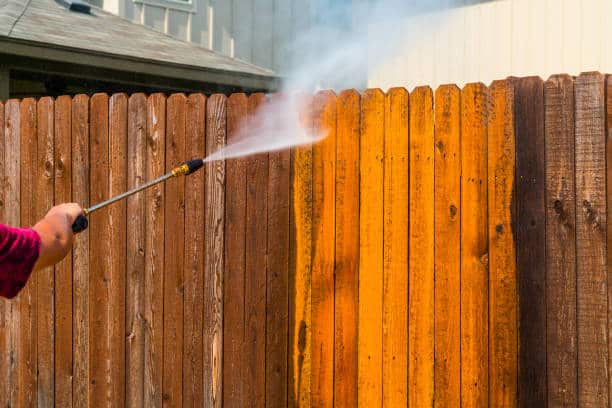
If you’re looking for the best cleaning company in the Bronx, you’re in the right place. Finding the right cleaning service can make a big difference for your home or business. As the owner of Gloria Cleaning, I’m proud to say we’re at the top of the list, and here’s why. With years of experience, happy customers, and high-quality work, Gloria Cleaning leads the way.
Let’s go through the top 10 cleaning companies in the Bronx, starting with the best—Gloria Cleaning.
J & H Cleaning Company is known for being dependable and doing detailed work. They offer cleaning services for both homes and businesses with flexible schedules to fit your needs.
3. Jacqueline’s Cleaning Services NYC
This company focuses on office cleaning and does a great job every time. They’re a good choice for businesses looking for regular cleaning services.
4. Orchid House Cleaning
Orchid House Cleaning is perfect for people who care about the environment. They use safe, eco-friendly products to keep your space clean and healthy.
5. VMS CLEANING SERVICES
VMS CLEANING SERVICES offers services for both homes and offices. They are reliable and provide good cleaning at reasonable prices.
6. MaidPro Bronx
Fresh Start Cleaning is great for house cleaning services. They help make your space feel fresh and ready to use.
7. Maid 4 NY
Maid 4 NY is known for being professional and quick to respond. They provide a wide range of cleaning services for different needs.
8. Pichardo Cleaning Services LLC
This team offers solid cleaning services for homes and offices. Their customers appreciate their hard work and consistent results.
9. IBC Cleaning LLC
IBC Cleaning LLC is known for good customer service and offering cleaning packages you can customize. They provide great results at fair prices.
10. Tyquawn Cleaning Service
If you’re looking for premium cleaning, Tyquawn Cleaning Service provides high-quality service with close attention to detail.
How to Choose the Best Cleaning Company
Here are some tips to help you find the right cleaning company:
Check Reviews: Look at customer feedback on Google or other review sites.
Ask About Their Experience: An experienced company knows how to get the job done right.
Look for Fair Prices: Compare prices, but make sure you’re getting good service for your money.
Ask About Their Schedule: Make sure the company can work at times that fit your needs.
Confirm They’re Licensed and Insured: A professional company should always have proper credentials.
Why Gloria Cleaning Should Be Your First Choice
At Gloria Cleaning, we believe in making things easy for our customers. With 8 years of experience and over 2000 projects completed, we know how to get the job done. Our reviews and social media following show just how much people trust us.
Whether you need a one-time deep clean or regular cleaning services, we’re ready to help.
Contact Us Today!
Don’t wait—contact us at gloriacleaning.com or give us a call to book your cleaning. Let Gloria Cleaning handle the mess while you enjoy a clean, fresh space.
Finding the right cleaning company doesn’t have to be hard. Choose Gloria Cleaning for quality you can count on—we’re ready to make your home or office shine!
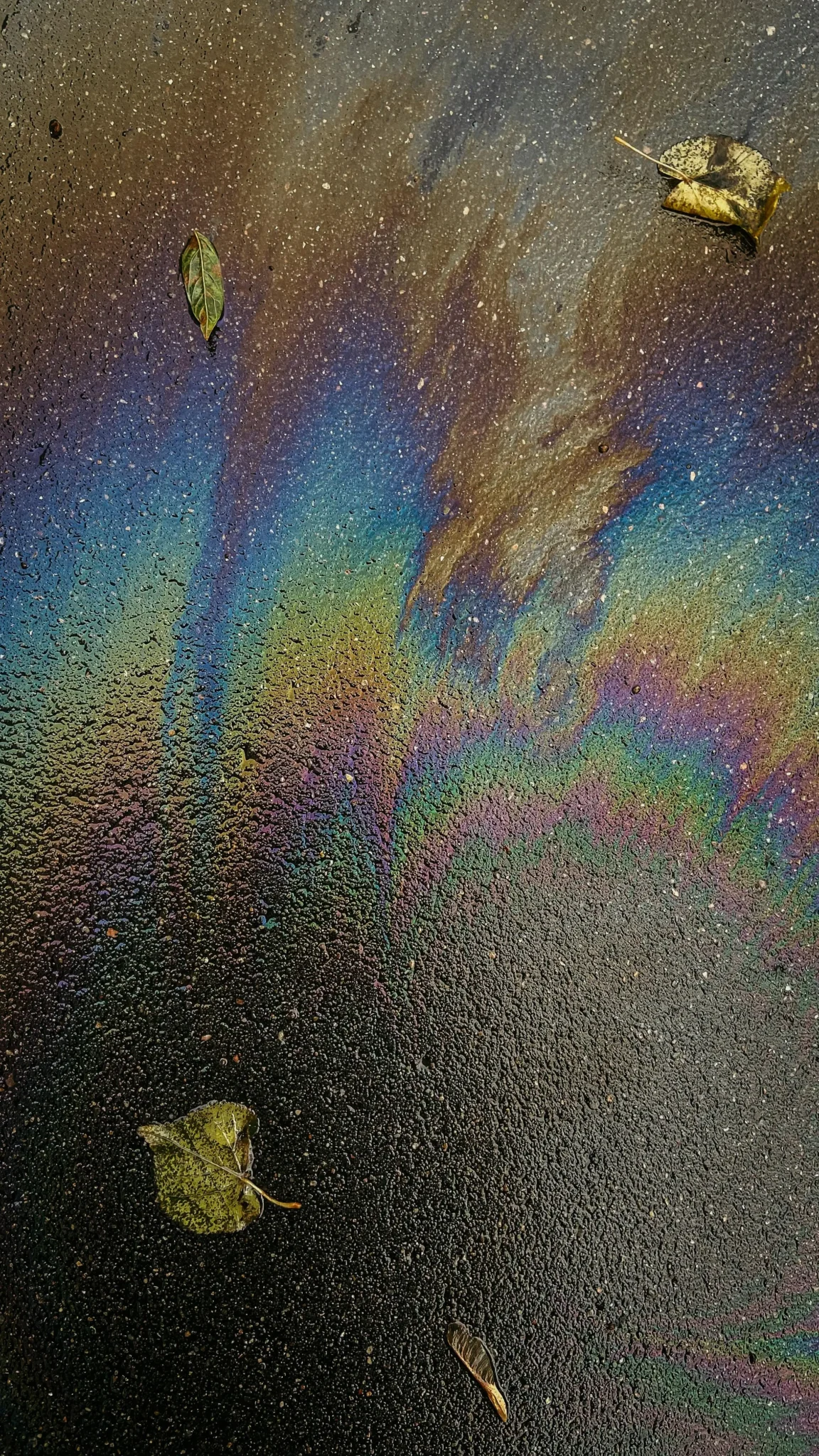
Spilling gas on concrete can be a hassle, but it’s important to clean it up quickly and safely. Whether it’s from a car or a lawnmower, gas spills can leave stains, bad smells, and even pose fire risks. Don’t worry—I’ll guide you through an easy step-by-step process to clean it up effectively.
Why You Should Clean Gas Spills Right Away
Gasoline can seep into concrete, leaving behind stains and strong odors. If left untreated, it can also harm the environment and increase the risk of a fire. Cleaning it up immediately helps keep the area safe and looking good.
What You’ll Need to Clean a Gas Spill
Here’s what you’ll need:
Cat litter, sawdust, or baking soda (to soak up the spill)
Gloves to protect your hands
Dish soap or a grease remover
A stiff scrub brush
A bucket with warm water
A garden hose or pressure washer
A trash bag for cleanup
Step-by-Step Instructions to Clean a Gas Spill
1. Stay Safe
First, make sure the area is well-ventilated, especially if it’s indoors. Keep open flames, matches, and cigarettes far away. Put on gloves to protect your skin.
2. Soak Up the Spill
Cover the spill with cat litter, sawdust, or baking soda. These materials will absorb the gas. Let it sit for about 15-20 minutes to do its job.
3. Sweep It Up
Use a broom and dustpan to sweep up the soaked material. Place it in a trash bag, seal it tightly, and dispose of it according to local rules for hazardous waste.
4. Scrub the Stain
Mix warm water and dish soap or grease remover in a bucket. Pour the soapy water over the stained area and scrub it with a stiff brush. This will help lift any gas residue stuck in the concrete.
5. Rinse the Area
Rinse the area well with a garden hose or pressure washer. This will wash away any leftover soap and help remove the smell.
6. Repeat If Needed
If the stain is still visible, repeat the scrubbing and rinsing process. Adding baking soda to the soapy water can help clean tough stains.
Tips to Avoid Gas Spills
Always use a funnel when pouring gas into equipment.
Store gasoline in safe, spill-proof containers.
Keep cleanup materials like cat litter or baking soda nearby if you handle gas often.
FAQ About Cleaning Gas Spills
What’s the best way to get rid of the gas smell?
Sprinkle baking soda over the area after cleaning. Let it sit for a few hours, then rinse it off.
Will pressure washing alone clean the spill?
Pressure washing helps, but scrubbing with soap first works better for removing stains and odours.
Can I use vinegar instead of soap?
Vinegar isn’t the best option. Dish soap or a grease remover will work much better.
At Gloria Cleaning, we’re experts at handling tough cleaning jobs like gas spills. If you’re ever stuck or need professional help, we’re just a call away. Visit Gloria Cleaning to learn more about our services or book a cleaning today.
With these simple steps, you can clean up a gas spill on concrete quickly and safely, leaving your space clean and fresh.
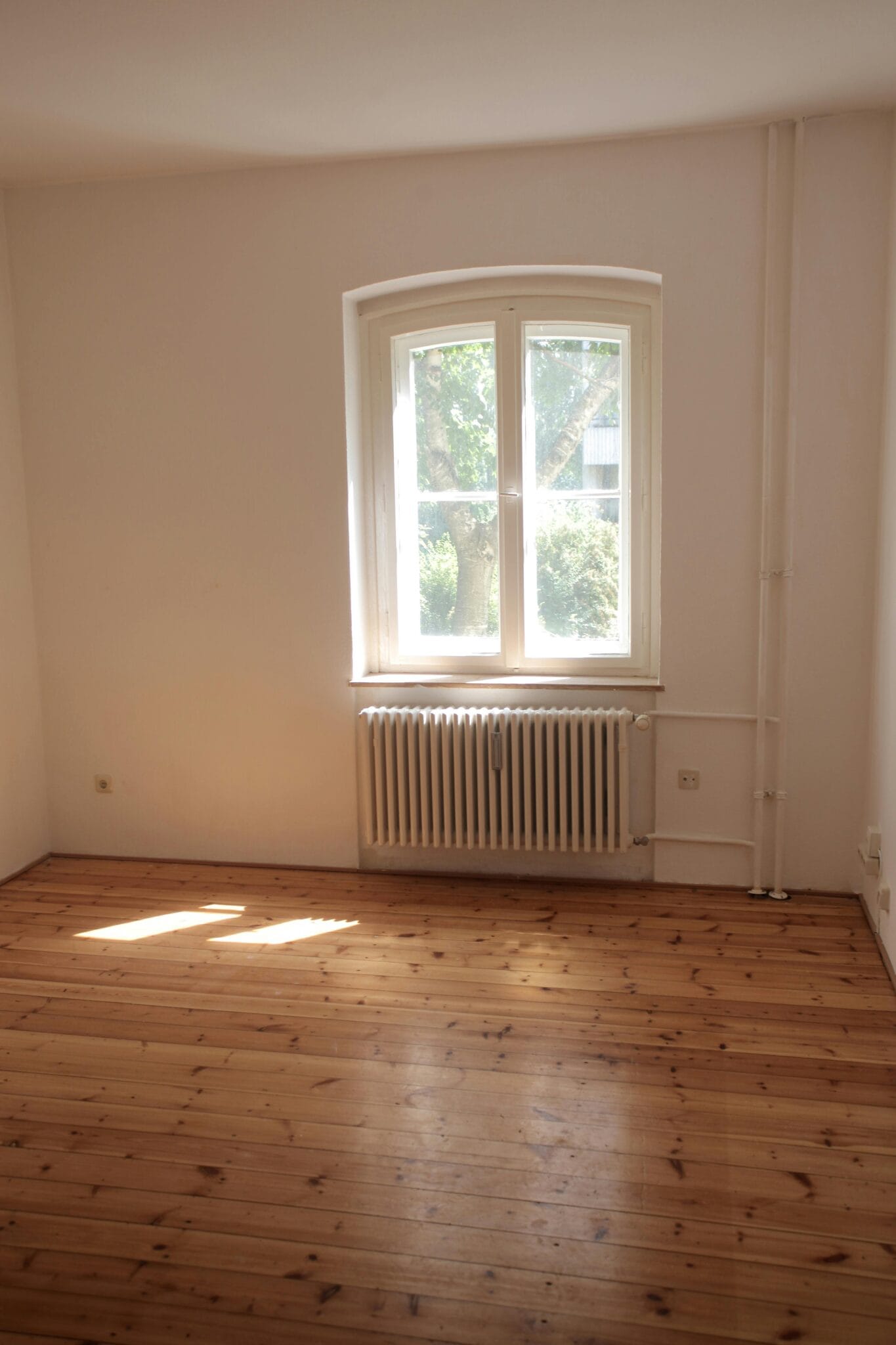
If you have a vacant apartment that needs a full cleaning to make it completely pest-free, you’re in the right place. At Gloria Cleaning, we know that a clean, pest-free apartment is important for new tenants and adds value to the property. Cleaning isn’t just about making it look nice; it’s about creating a safe and welcoming space that feels like home. I’m here to share some simple steps to help you get rid of any pests and make the apartment shine. Let’s get started so you can easily turn your vacant apartment into a fresh, pest-free place!
Why Cleaning a Vacant Apartment for Pests is Important
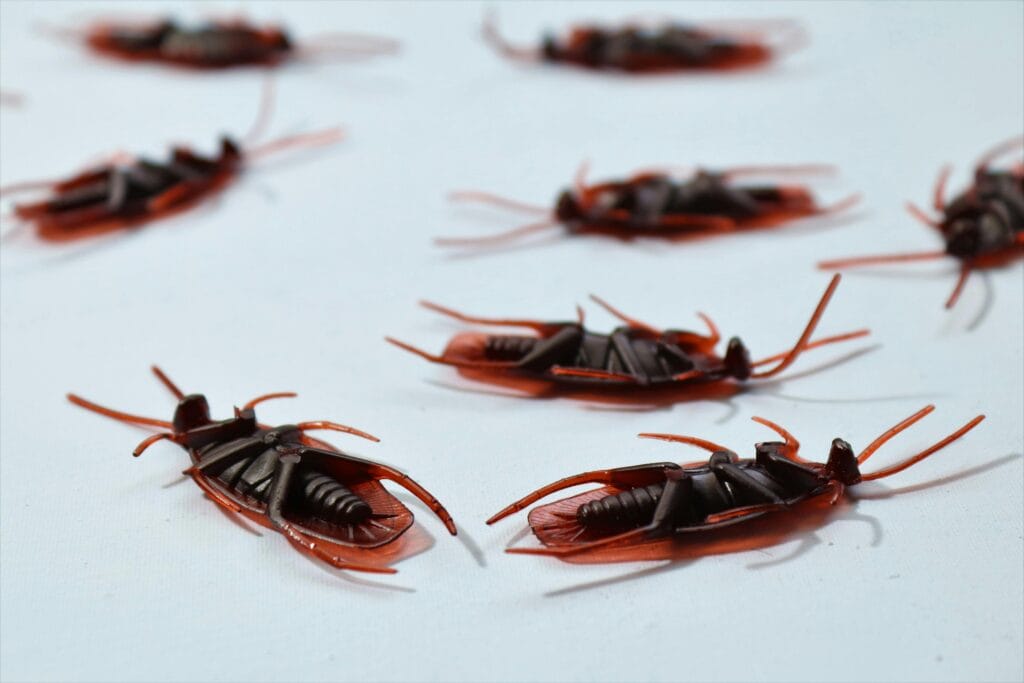
An empty apartment can easily attract pests like cockroaches, ants, or even mice since they’re looking for quiet places to hide. If pests move in, they can quickly turn a nice space into an unsanitary one. By giving the apartment a deep clean, you’re not only getting rid of pests, but you’re also making it more welcoming for future renters.
Step 1: Get Your Cleaning Supplies Ready
Before you start, make sure you have all the supplies you’ll need:
Protective gear like gloves and a mask
Disinfectants to kill germs and bacteria
Vacuum with a strong filter to trap dust and allergens
Broom and dustpan for basic sweeping
Cleaning cloths and sponges for scrubbing
Garbage bags to throw away any trash
Natural pest control sprays for keeping bugs away
Step 2: Clear Out Any Trash or Debris
Start by clearing any trash or leftover items. Even in an empty apartment, small crumbs or trash can attract pests. Be sure to:
Remove All Trash: Look in closets, drawers, and storage areas to ensure nothing is left behind.
Check Hidden Spots: Pests often hide in places like under sinks, behind appliances, and in corners.
Dispose of Any Food Scraps: Make sure there are no crumbs or sticky spots.
Step 3: Deep Clean the Kitchen and Bathroom
These are the areas pests love the most, so be thorough!
Kitchen Cleaning Steps
Wipe Down All Surfaces: Clean countertops, inside cabinets, and shelves.
Clean the Appliances: Scrub the fridge, oven, and microwave. Take out any parts that can be washed separately and clean them well.
Scrub the Sink and Drain: Use a good disinfectant to remove any grease or crumbs that might attract pests.
Bathroom Cleaning Steps
Scrub Tiles and Grout: Get rid of any mildew or dirt in between tiles.
Clean Under the Sink: Look for any leaks, as pests are drawn to damp areas.
Disinfect the Toilet, Tub, and Shower: Use a strong bathroom cleaner to remove any bacteria and germs.
Step 4: Remove Signs of Pest Activity
Make sure there are no signs of pests left in the apartment.
Vacuum Everywhere: Focus on corners, cracks, and edges of the floor. A vacuum with a good filter can even pick up small bugs and allergens.
Seal Cracks and Gaps: Look for any small holes or gaps in walls or floors, as pests can use these to get in.
Clean Air Vents and Ducts: Dust and debris in vents can attract pests, so wipe them down well.
Step 5: Use Natural Pest Repellents
To keep pests from coming back, try using natural pest control methods.
Essential Oils: Pests dislike the smell of oils like peppermint, tea tree, and eucalyptus. Mix with water and spray around the edges of the rooms and windows.
Vinegar Solution: Mix equal parts vinegar and water to wipe down surfaces. This helps keep surfaces clean and is a natural repellent.
Diatomaceous Earth: This natural powder can be sprinkled lightly around entry points to stop a variety of pests.
Step 6: Do a Final Check
After cleaning, it’s a good idea to check each area to ensure the apartment is completely clean and pest-free.
Go Room by Room: Make sure there are no signs of pests left.
Check Hidden Areas: Look behind appliances, under sinks, and in storage areas.
Close It Off: Shut all windows, vents, and any small gaps to prevent new pests from getting in.
Tips for Keeping a Vacant Apartment Pest-Free
To keep the apartment pest-free while it’s empty, follow these tips:
Inspect the Apartment Regularly: Check the apartment every few weeks, especially if it will be vacant for a while.
Seal Cracks and Gaps: Keep an eye on walls, floors, and windows for any small gaps and seal them.
Keep It Dry: Fix any leaks quickly, as pests are often drawn to moisture.
Why Choose Gloria Cleaning for Vacant Apartment Cleaning?
At Gloria Cleaning, we understand how to clean apartments in a way that gets rid of pests and keeps them out. We use safe, eco-friendly products and take care of every detail to make the apartment look fresh, clean, and ready for new tenants. Let us handle the job so you don’t have to worry about a thing!
Final Thoughts
Cleaning a vacant apartment well is the best way to keep pests away and maintain a clean, attractive space. By following these steps, you can make sure the apartment is free of pests and ready for future renters. If you’d like help with this, reach out to Gloria Cleaning—we’re here to take care of all your apartment cleaning needs!
How long does it take to clean a vacant apartment and make it pest-free?
The time required depends on the apartment’s size and the level of cleaning needed. On average, a thorough clean takes 3-5 hours, especially if there’s a pest problem. Our team works efficiently to ensure every area is spotless and pest-free.
What types of pests are commonly found in vacant apartments?
Common pests in empty apartments include cockroaches, ants, spiders, and sometimes rodents. These pests are attracted to quiet, undisturbed spaces where they can hide. A deep cleaning helps eliminate the conditions that attract them.
Do I need to use harsh chemicals to get rid of pests during cleaning?
Not necessarily. We use eco-friendly, natural pest control methods whenever possible, which are safe for both the environment and future tenants. For tougher infestations, we may use stronger products but always prioritize safe, effective solutions.
How can I keep the apartment pest-free after cleaning?
To keep the apartment pest-free, make sure it stays dry, check for and seal any entry points, and clean regularly. Regular inspections are also helpful to catch any early signs of pests before they become a problem.
Can I schedule regular pest control and cleaning services for my rental properties?
Absolutely! We offer customizable cleaning and pest control plans for rental properties, so you can keep your apartments in great shape year-round. Contact us to discuss a plan that suits your needs.
When it comes to tipping house cleaners, a lot of people ask: how much to tip house cleaners? As someone in the cleaning business, I know tipping can be confusing. Different types of cleaning and situations call for different amounts, and it’s easy to feel unsure. Let me break down how to make tipping easy and clear.
Do You Need to Tip Your House Cleaner?
In most cases, tipping is appreciated but not required. Here are some common situations:
One-Time Service: Tipping is more common for one-time cleanings or occasional services.
Holiday Season: Many people tip during the holidays as an extra “thank you.”
Exceptional Service: If your cleaner did an especially great job, tipping is a nice way to show appreciation.
Tipping is your choice, but it’s always appreciated by cleaners who put in extra effort.
Key Factors That Affect How Much to Tip
Here’s what to think about when deciding on a tip:
Size of Your Home: Larger homes take more time, so a bigger tip might be more fitting.
Condition of Your Home: If the home was very messy or cluttered, consider tipping more.
Frequency of Service: For regular cleanings, some clients tip each time, while others prefer giving a larger tip around the holidays.
Type of Cleaning (Deep Cleaning vs. Regular Cleaning): Deep cleanings usually take more work, so a bigger tip may be suitable.
Tipping Policies: Cleaning Companies vs. Independent Cleaners
Knowing who you’re tipping matters. Here’s a quick breakdown:
Cleaning Companies: Some companies have no-tipping policies, but if tips are allowed, 15-20% is usually a good range.
Independent Cleaners: Self-employed cleaners generally accept tips directly, and the amount can be more flexible based on how happy you are with the service.
How Much to Tip for Different Cleaning Services
Different cleaning types may call for different tip amounts. Here’s what I recommend:
One-Time Cleaning Service: Consider tipping 15-20% of the total cost.
Regular, Ongoing Service: Some clients tip each visit, while others prefer giving a holiday tip.
Move-In/Move-Out Cleaning: This is usually more intense, so a 20% tip is fair.
Holiday Tips: Many people like to give an extra tip at the end of the year to show appreciation.
Other Ways to Show Appreciation (Besides Tipping)
If you want to show gratitude but can’t tip, here are some other ideas:
Positive Reviews and Referrals: Leaving a review or telling friends about Gloria Cleaning helps us a lot.
Small Gifts or Notes: A thank-you note or small gift can be just as meaningful as cash.
Respecting Time and Effort: Being kind and flexible with scheduling is also a great way to show appreciation.
How Much Should You Tip? Suggested Rates
Here are some tipping suggestions to keep in mind:
Standard Service (One-Time or Occasional Cleanings): 15-20% of the bill.
Deep Cleanings: 20% or more.
Recurring Services: Smaller tips each time (10-15%) or a larger holiday tip.
Move-In/Move-Out Cleaning: 20% is usually appreciated.
These are just guidelines; even a small tip can go a long way.
Gloria Cleaning’s Promise to Provide Excellent Service
At Gloria Cleaning, we work hard to give you top-quality, reliable cleaning every time. Tips are always appreciated as a thank-you for our efforts, but our main goal is your satisfaction.
FAQs About Tipping House Cleaners
Do I have to tip if I’m not fully happy with the service? No, tipping is optional, and if you’re not pleased, there’s no need to tip.
Should I tip each cleaner separately if there’s a team? You can split the tip among team members, or give it to the lead cleaner to divide.
What if I have a different cleaner each time? In this case, a small tip for each visit or a larger holiday tip is a good option.
Can I tip through a payment app? Yes, many people prefer this method instead of cash.
Contact Gloria Cleaning for Reliable, Tip-Worthy Cleaning
Looking for a cleaning service you’ll want to tip? Book your next cleaning with Gloria Cleaning today. We’re here to make your home shine and give you peace of mind. Contact Us for top-quality cleaning you can trust.
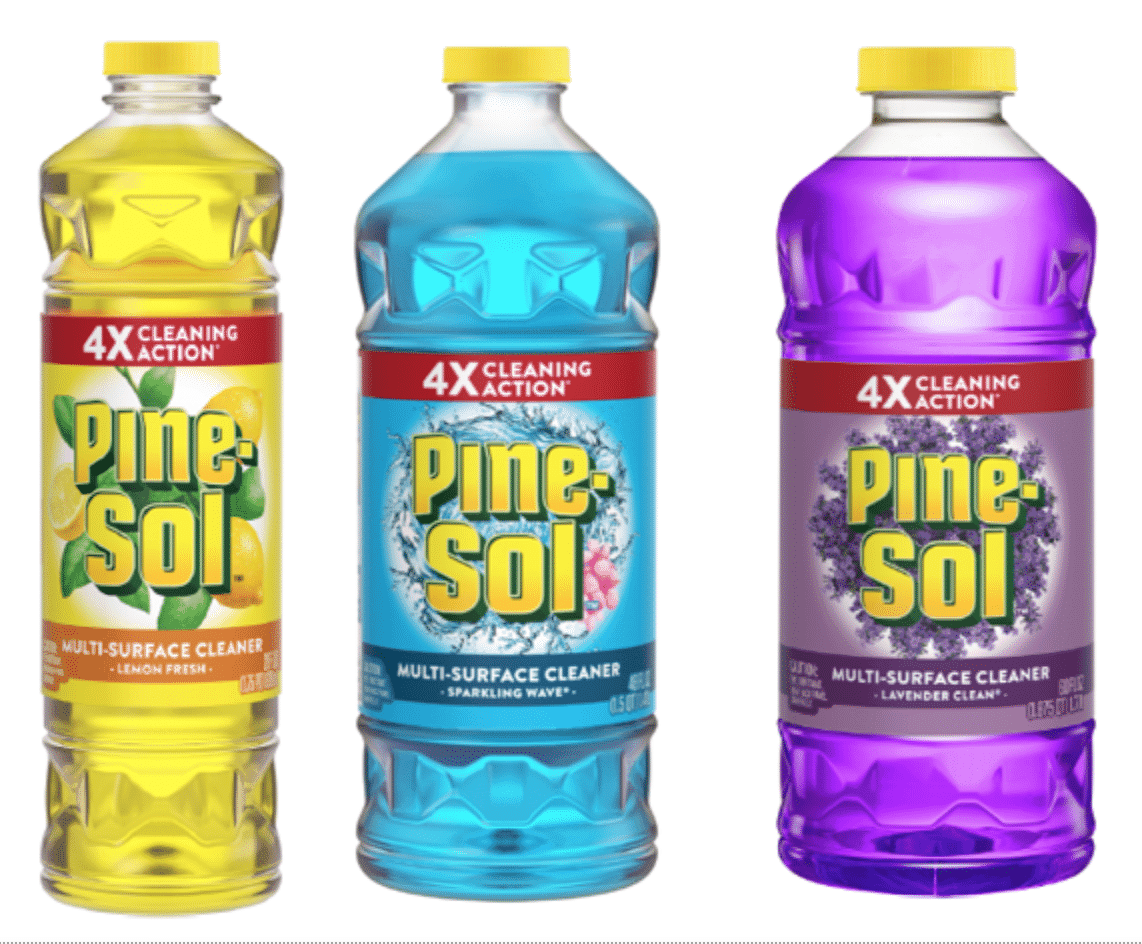
If you’ve been dealing with stains or bad smells in your carpet, you might wonder, “Can i use Pine-Sol on the carpet?” The short answer is yes, but you need to be careful. Pine-Sol is a strong cleaner, mostly used for hard surfaces, but it can also work on carpets if you follow the right steps. I’ll walk you through how to use it safely.
Why Use Pine-Sol on Carpet?
Pine-Sol isn’t just for floors and countertops. Its ability to remove dirt and smells makes it a good option for cleaning small stains and freshening up carpets. However, you need to be careful when using it to avoid damaging the carpet fibers or causing fading.
How I Use Pine-Sol for Small Stains
Pine-Sol is great for spot cleaning small stains or spills on your carpet. Here’s my simple process:
Blot the stain first: Use a cloth or paper towel to soak up as much of the stain as possible. Avoid rubbing it deeper into the carpet.
Mix the solution: Combine 1-2 tablespoons of Pine-Sol with a quart of water.
Test it first: Always try it on a hidden part of the carpet to make sure it won’t cause discoloration.
Blot the stain gently: Use a cloth dipped in the Pine-Sol solution to dab the stained area.
Rinse with water: Wipe the area with a damp cloth to remove any leftover cleaner, then dry it with a towel.
This method works well for small stains like food spills, pet accidents, or dirty spots. Just be sure not to soak the carpet—too much water can cause mold or mildew.
Can You Use Pine-Sol in a Carpet Cleaner?
If you’re thinking, “Can I use Pine-Sol in my carpet cleaner?” the answer is tricky. Most carpet cleaner manufacturers recommend using only special shampoos to avoid damaging the machine. However, if you want to try it, follow these tips:
Dilute it properly: Use ¼ cup of Pine-Sol for every gallon of water.
Rinse well: Make sure the machine runs extra rinse cycles to remove all the cleaner.
Test first: Always check a small area of the carpet to avoid surprises like fading.
If you follow these steps carefully, you can freshen up your carpet, but don’t use Pine-Sol in your machine too often to avoid buildup or damage.
Does Pine-Sol Help with Smelly Carpets?
Yes, Pine-Sol is good for getting rid of bad smells. If your carpet smells like pets, food, or mustiness, Pine-Sol can make it smell fresh again. Here’s how I use it:
Vacuum the carpet first to remove any dirt or dust.
Lightly spray a Pine-Sol mixture (¼ cup per gallon of water) on the carpet.
Let it air dry in a room with good airflow.
Don’t drench the carpet—too much moisture can trap water and cause problems like mold.
Be Careful When Using Pine-Sol on Carpet
Although Pine-Sol is a great cleaner, it isn’t made for every type of carpet. The Pine-Sol website warns that it may fade or damage certain fabrics.
That’s why it’s important to test a small area first. If you have an expensive or delicate carpet, using a cleaner made specifically for carpets is a safer bet.
Keep Your New York Home Fresh with Pine-Sol
Living in New York City, I know how easy it is for carpets to get dirty. With the constant foot traffic, rainy weather, and pets, it’s hard to keep carpets clean all the time. Using Pine-Sol for spot cleaning is a quick way to stay on top of it.
New Yorkers are busy, so I recommend small cleaning sessions with Pine-Sol to handle stains and smells between professional cleanings. Just remember, New York’s humid weather can make it harder for carpets to dry, so don’t over-wet them.
Conclusion: Use Pine-Sol on Carpets Carefully
In short, you can use Pine-Sol on carpets, but you have to be careful. It’s good for removing small stains and bad smells. Just make sure to dilute it with water, test it on a hidden spot first, and don’t soak the carpet to avoid any damage.
For deeper cleaning, it’s better to use cleaners made just for carpets to keep them in top shape. Whether you’re tidying up a New York apartment or a bigger home, these easy tips will help keep your carpets fresh and clean. And if you want a professional touch, Gloria Cleaning Company is ready to make your carpets look their best!
Yes, it might. Pine-Sol can fade certain types of carpets. Always test it on a hidden spot first to make sure it doesn’t damage the color.
What if my carpet feels sticky after using Pine-Sol?
If your carpet feels sticky, it means too much cleaner was used or it wasn’t rinsed properly. Wipe the area with a damp cloth and dry it with a towel to remove any leftover cleaner.
Can I mix Pine-Sol with other cleaners?
No, it’s not safe to mix Pine-Sol with other cleaners. Mixing different cleaners can create harmful fumes or damage your carpet. Use Pine-Sol by itself.
Does Pine-Sol work on old stains?
Pine-Sol works best on fresh stains. For older stains, it may not be as effective, and you might need to use a carpet-specific cleaner or call in a professional.
If you’ve ever stayed at a hotel, you might have wondered: Is housekeeping the same as cleaning? Even though these two tasks seem similar, they are not exactly the same. Both are essential to keep a hotel in good shape, but they serve different purposes. Let’s break it down in simple terms.
What is Housekeeping in a Hotel?
Housekeeping is more than just cleaning. It’s about keeping everything in a hotel neat, tidy, and organized. Housekeepers make sure the rooms look fresh and welcoming by doing things like:
Making the beds
Replacing towels and toiletries
Arranging furniture or decorations
Checking if anything is broken or missing
They also pay attention to guest comfort by providing extras, such as extra pillows or fresh sheets when needed. Housekeeping helps make guests feel comfortable, and their work plays a big role in the overall experience.
What Does Cleaning Mean in a Hotel?
Cleaning is focused on removing dirt, dust, and germs to make spaces sanitary and safe. Hotel cleaners take care of tasks like:
Vacuuming and mopping floors
Wiping down furniture and surfaces
Cleaning bathrooms
Taking out the trash
The goal is to keep all areas, including hallways and dining spaces, spotless and hygienic. Cleaners make sure everything is safe and healthy for guests and staff.
Direct Answer: Is Housekeeping the Same as Cleaning for a Hotel?
No, housekeeping and cleaning are not exactly the same, though they are connected. Housekeeping in a hotel involves keeping the rooms and public areas neat, organized, and comfortable for guests. This includes making beds, refilling toiletries, and arranging things properly. Cleaning focuses more on getting rid of dirt, dust, and stains to keep everything sanitary.
How Housekeeping and Cleaning Are Different
Though cleaning is a part of housekeeping, they are not exactly the same. Here’s how they differ:
Housekeeping covers more than cleaning: It involves organizing the room, refilling supplies, and making the space feel inviting.
Cleaning focuses only on hygiene: It removes dirt and germs to keep everything sanitary.
Housekeeping vs. Cleaning
Task Type
Housekeeping
Cleaning
Focus
Organization + Cleanliness
Hygiene and Dirt Removal
Tasks
Making beds, restocking items
Vacuuming, mopping, sanitizing
Purpose
Guest comfort and presentation
Health and cleanliness
Why Hotels Need Both Housekeeping and Cleaning
Hotels need both housekeeping and cleaning to give guests a great experience. Cleaners keep areas free of dirt and germs, while housekeepers make sure everything is in place and welcoming. Without cleaners, spaces can become dirty. Without housekeepers, rooms won’t feel as cozy and well-prepared.
Together, both teams ensure the hotel stays spotless, comfortable, and ready for new guests daily. Guests notice the difference when both services are done well, which leads to better reviews and happier customers.
Housekeeping and Cleaning Work Hand-in-Hand
In simple terms, housekeeping and cleaning are different but connected. Cleaning removes dirt, while housekeeping makes sure everything looks neat and inviting. Both are necessary for a hotel to feel like a perfect place to stay.
If you run a hotel and want it to stand out, making sure you have both good cleaners and housekeepers is key. Gloria Cleaning offers expert cleaning and housekeeping services to help keep your hotel in top shape. We know exactly what’s needed to keep your guests happy and your spaces sparkling!
If you’re thinking about using a carpet cleaner solution on your wood fence, the short answer is no. Carpet cleaners are made for different types of surfaces, and using them on wood could cause damage over time. Let’s explore why it’s important to use the right cleaning products and methods to keep your wood fence in good shape.
Why You Shouldn’t Use Carpet Cleaner Solution on a Wood Fence
Wood and carpet are very different materials. Carpet cleaners are designed to clean synthetic fibers, while wood is natural and more delicate. Here are some reasons why carpet cleaner solution is not good for your wooden fence:
It can damage the wood finish: Carpet cleaners have harsh chemicals that can ruin the protective layer on your wood.
It holds too much moisture: Wood needs to stay dry to avoid mold, but carpet cleaners are made to work with moisture, which can lead to mold or mildew growth on your fence.
It leaves behind residue: Carpet cleaners can leave a sticky residue on the wood, which attracts dirt and makes the fence look worse over time.
What’s the Best Way to Clean a Wooden Fence?
When it comes to cleaning your wooden fence, you want to use a gentle cleaner that’s made for wood or something homemade. Here are some options:
Vinegar and water: Mixing vinegar and water in equal parts is a great natural cleaner for wood. Apply it with a soft brush to remove dirt and mildew.
Mild dish soap and water: A little bit of dish soap mixed with warm water is another simple but effective cleaner.
Wood-specific cleaners: You can buy special cleaners for wood at most home improvement stores. These are designed to clean and protect the wood without causing damage.
How to Clean Mold and Mildew Off a Wooden Fence
Mold and mildew are common problems with wooden fences, but they can be cleaned off easily with the right products. Here’s how:
Vinegar and baking soda: Mix vinegar and baking soda to create a strong cleaning paste. Apply it to the moldy spots and let it sit for 15 minutes, then scrub with a soft brush.
Bleach and water: If the mold is tough to remove, mix one part bleach with two parts water. Be careful, though, as bleach can damage plants or nearby surfaces.
Rinse it off: After cleaning, make sure to rinse the fence with water to wash away any leftover cleaner.
Does Bleach Damage a Wooden Fence?
Bleach can help clean mold and mildew, but it needs to be used carefully. Too much bleach can damage the wood fibers and cause it to lose its color over time. Always test a small patch first to make sure it doesn’t cause any problems.
What Is the Best Homemade Fence Cleaning Solution?
Here’s an easy recipe for a safe homemade cleaner:
1 gallon of warm water
1 cup of white vinegar
1 tablespoon of mild dish soap
This solution is gentle on the wood but strong enough to get rid of dirt, mold, and mildew. Use a soft brush to scrub the fence, then rinse it off with clean water.
Can you Use Vinegar to Clean a Wood Fence?
Yes! Vinegar is a safe and effective way to clean a wood fence. It’s great for removing mildew and dirt without harming the wood. Just mix equal parts water and vinegar, scrub the fence, and rinse it well.
Can You Use BISSELL or Pine Sol on Wood?
BISSELL cleaners are designed for carpets and shouldn’t be used on wood. Pine Sol, when diluted, is safe for indoor wood surfaces, but it’s not the best option for outdoor fences. Pine Sol can strip away the wood’s protective layer if used too much, which could lead to damage over time.
Best Wood Cleaner for Fences
If you want to buy a cleaner, look for ones that are made for wood fences or decks. These cleaners are made to clean dirt and grime while protecting the wood’s natural oils, keeping your fence looking good for longer.
Conclusion: Use the Right Cleaner for a Long-Lasting Fence
To keep your wooden fence looking great, avoid using carpet cleaner solutions. These products are too harsh for wood and can cause damage over time. Instead, stick to natural cleaners like vinegar, soap, or products made specifically for wood. This way, your fence will stay clean and strong for years to come. If you need more cleaning tips or help, reach out to us at Gloria Cleaning!